


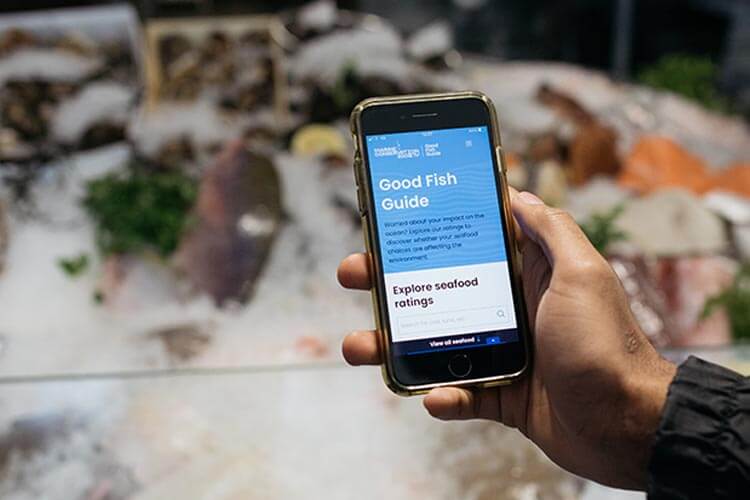
The Marine Conservation Society (MCS) has updated its Good Fish Guide in line with the latest scientific advice, and finds that 29 ratings have moved down the sustainability scale; eleven have seen improvements and two new ratings have been added to the guide.
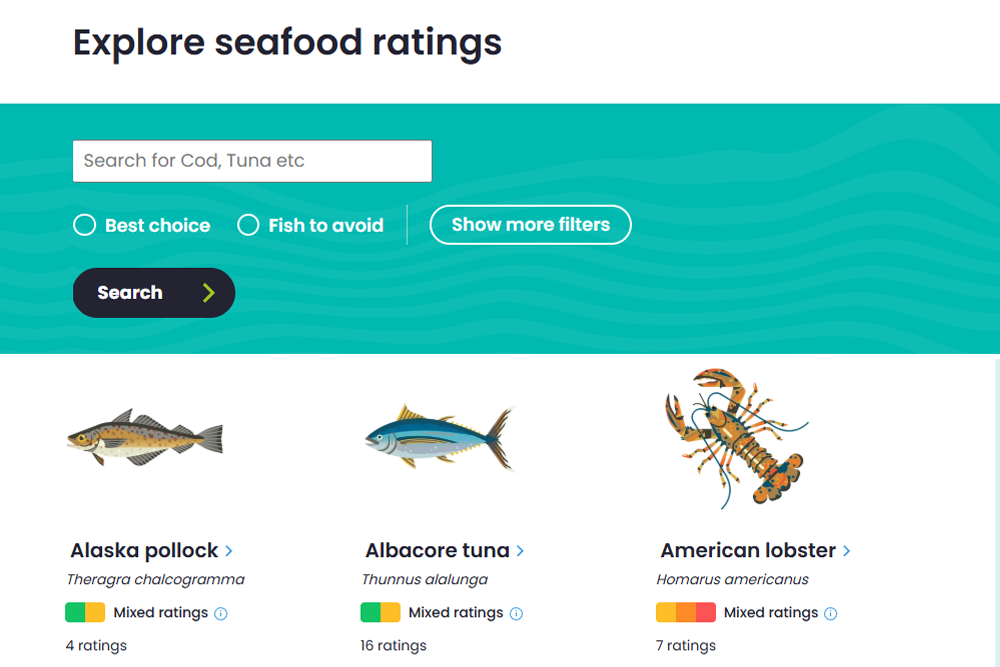
The Good Fish Guide rates fish using a traffic-light system where green ratings represent the most sustainable options for seafood consumers, amber indicates that the fisheries need improvement, and red ratings represent fish that should be avoided.
Some ratings, including some for coley, hake, and Dover sole have been downgraded, depending on how and where they were caught.
However, some updated ratings have shown an improvement in stocks after a reduction in fishing pressure, with better ratings for some fisheries including some North Sea herring, and a new positive rating for Atlantic bluefin tuna in UK waters.
Ratings for European hake caught in the North Sea, Celtic Seas, and Bay of Biscay – a fish that has long been recommended as a swap for cod – have moved from green to amber due to declining stocks and increased fishing pressure, however, the rating for Marine Stewardship Council (MSC) certified Cornish-caught hake remains green.
Coley (also known as Saithe), another whitefish alternative for cod caught around the UK in the North Sea, West of Scotland, Rockall and Skagerrak fisheries has been red rated due to population decline, and has no recovery plan in place.
Northeast Arctic coley has also dropped further down the scale, with multiple fishing methods downgraded because the stock has declined and fishing pressure remains too high. Coley caught in Icelandic waters remains green rated.
Haddock caught in Icelandic waters, which is the biggest source of of haddock imported to the UK, drops from green to amber due to fishing pressure above sustainable levels and catches remaining above scientific advice.
Haddock caught across the North Sea, Skagerrak and Scottish waters, the second biggest source of haddock to UK consumers, remains green rated and is a good choice at the present time.
‘The status of fish stocks is continuously changing, and for consumers, it means that simply choosing a species isn’t enough,’ said Kerry Lyne, Good Fish Guide Manager at the Marine Conservation Society. ‘A fish that was a good choice a few years ago is not necessarily a good choice everywhere today.
‘Ratings on the Good Fish Guide show the latest scientific advice depending on the species, and where and how it’s caught or farmed.
‘The best thing we can all do if we eat seafood, is diversify our seafood choices and avoid those most under threat. We need the UK Government to ensure better management is in place to recover and protect UK fisheries, many of which are in decline.’
The Marine Conservation Society is calling on the UK Government to set fishing quotas in line with scientific advice and strengthen international cooperation on the management of shared fish stocks.
It also wants the governments of the UK to deliver robust, science-based, time-bound Fisheries Management Plans to prevent continued fishing without an effective route to recovery, and support a transition to low-impact fishing methods.
What fish should consumers be looking for?
For white fish, the Good Fish Guide recommends Alaska pollock from the Gulf of Alaska or the Bering Sea, monkfish caught in the North Sea, Rockall or West of Scotland.
Most seabass is also recommended, with the exception of seabass from the West of Scotland and West of Ireland due to poor stock levels.
For shellfish, European lobster from Jersey and certified by the MSC remains green rated, alongside Shetland MSC-certified brown crab, UK farmed blue mussels and UK RAS farmed king prawns.
Return of UK bluefin tuna and other successes
UK Atlantic bluefin tuna has shown huge signs of a population recovery from historic lows and received a brand-new rating on the Guide for the developing UK fishery, coming in at green.
‘The resurgence of tuna in UK seas can certainly be partly attributed to better fisheries management brought in over twenty years ago, following decades of overfishing,’ said Chris Graham, MCS head of ocean regeneration & sustainable seafood at MCS.
‘We’re now pleased to see a small well-managed fishery in place, but caution must prevail, and this iconic species must be monitored closely so the health of the UK population can continue to improve.’
Another success story can be seen in herring caught in the North Sea, where ratings have moved from amber back to green as fishing pressure has fallen, although catches currently remain above scientific advice.

The Good Fish Guide does not recommend herring caught elsewhere, as ratings for other fisheries remain mostly red.
MCS also reports that promising new technologies in fishing methods have seen some success in improving stocks, including a new amber rating for Lyme Bay disco-pot scallops.
The pots used to catch the scallops are fitted with LED lights to attract the shellfish and have a much lower direct impact on the seabed than traditional dredging.
The scallops are part of a shared stock that continues to be fished using traditional dredging methods, making effective management of the overall fishing pressure key in supporting the stock’s future.
The Marine Conservation Society says it wants to see support from governments of the UK to swap to these kinds of lower-impact methods to help the wider marine environment.
The Good Fish Guide demonstrates that with the correct management, ocean-friendly fishing is possible. To find out more information, please visit www.mcsuk.org/goodfishguide
More from the MCS
- Plastic wrappers top UK inland litter in Marine Conservation Society survey
- UK seafood ratings decline as cod and scampi come under pressure
- Persistent plastic crisis continues to pollute UK beaches
- MCS calling on volunteers to report jellyfish sightings
- Great British Beach Clean’s haul of retro plastic waste
