


British seafood staples – including traditional cod-based fish n’ chips – are under threat from declining UK fish populations, says the Marine Conservation Society
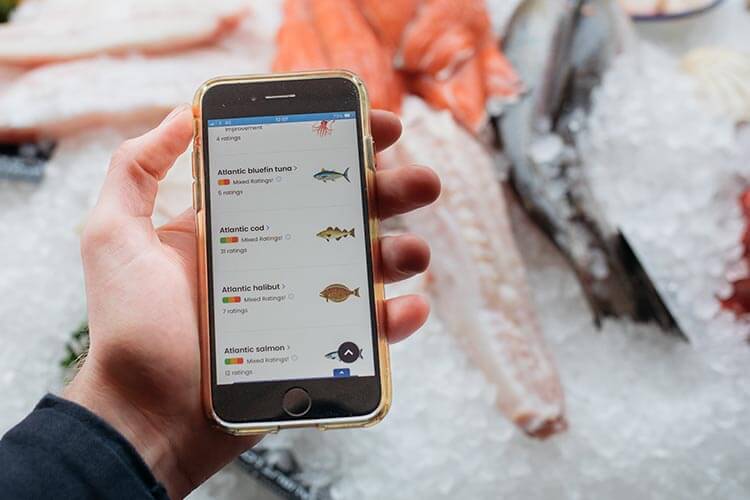
Sustainability ratings for some of the UK’s most commonly consumed seafood, including cod and scampi, have declined in the latest update to the Marine Conservation Society’s Good Fish Guide.
The charity said several UK cod populations have been in decline since 2015 due to overfishing, changes in sea temperature and wider ecosystem pressures affecting breeding and juvenile survival.

The latest ratings show stocks from north of the UK moving further down the sustainability scale, leaving no recommended options for UK-caught cod.
Some langoustine fisheries, often marketed as scampi when trawled, have also been downgraded. MCS said fishing levels have exceeded recommended limits in recent years and populations are declining.
Ratings for the species vary depending on how and where it is caught, with the only green-rated options coming from pot or creel fisheries in the North Minch, South Minch and the Skagerrak and Kattegat.
Kerry Lyne, Good Fish Guide Manager at the Marine Conservation Society, said, ‘The challenge isn’t that fish and chips will disappear, but that the species must be sourced from further afield.
‘As pressure grows on traditional choices like cod and scampi, the Good Fish Guide highlights more sustainable alternatives and shows how consumer choices can support healthier local fish stocks and better-managed fisheries.’
Mackerel has also been downgraded and is now red-rated, meaning consumers are advised to avoid it. The species was removed from the charity’s recommended list last year.
The Good Fish Guide recommends alternatives to cod such as European hake, as well as some UK haddock, depending on where it is caught, including the North Sea and west of Scotland. The latest update also includes a new rating for UK-farmed king prawns produced in Scotland.
The UK imports around 80 per cent of the seafood it consumes. MCS says that improved management of domestic fisheries is needed to help rebuild stocks and reduce reliance on imports.
Chris Graham, Head of Sustainable Seafood and Ocean Regeneration at the Marine Conservation Society, said, ‘As an island nation, the UK has long relied on its fishing communities and the seas that support them. It’s deeply concerning seeing so many of our iconic fisheries – from cod to mackerel – under increasing pressure.
‘While climate change is playing a role, years of overfishing and poor management have also taken their toll. We need strong action from the UK Government to support a transition to low-impact fisheries and sustainable seafood farming, helping to restore our seas and secure the future of these vital industries.’
The Marine Conservation Society updates the Good Fish Guide twice a year based on the latest scientific advice. The next update is due in October.
Visit the MCS website for more information on the Good Fish Guide and how the ratings work.
Related articles
