


Scientists have identified 57 marine species and five genera new to science after examining deep-sea specimens from Argentina’s submarine canyons at a two-week workshop in Buenos Aires.
The Species Discovery Workshop brought together 20 taxonomists and early-career researchers from Latin America and Europe at Universidad Maimónides from 13-24 July 2026.
The workshop was led by the Nippon Foundation-Nekton Ocean Census in partnership with the Schmidt Ocean Institute, together with Argentina’s National Scientific and Technical Research Council (CONICET) and Museo Argentino de Ciencias Naturales.
The discoveries include a horned sea cucumber nicknamed ‘Loki’, a variety of copepods, new corals and sea pens. Ocean Census also reports five new genera – groups used to classify related species.
Most of the specimens came from Schmidt Ocean Institute’s 2025 Underwater Oases of the Mar del Plata Canyon expedition.
New specimens were collected by the remotely operated vehicle SuBastian operating from research vessel Falkor (too), with researchers also working with historical samples from previous CONICET expeditions.
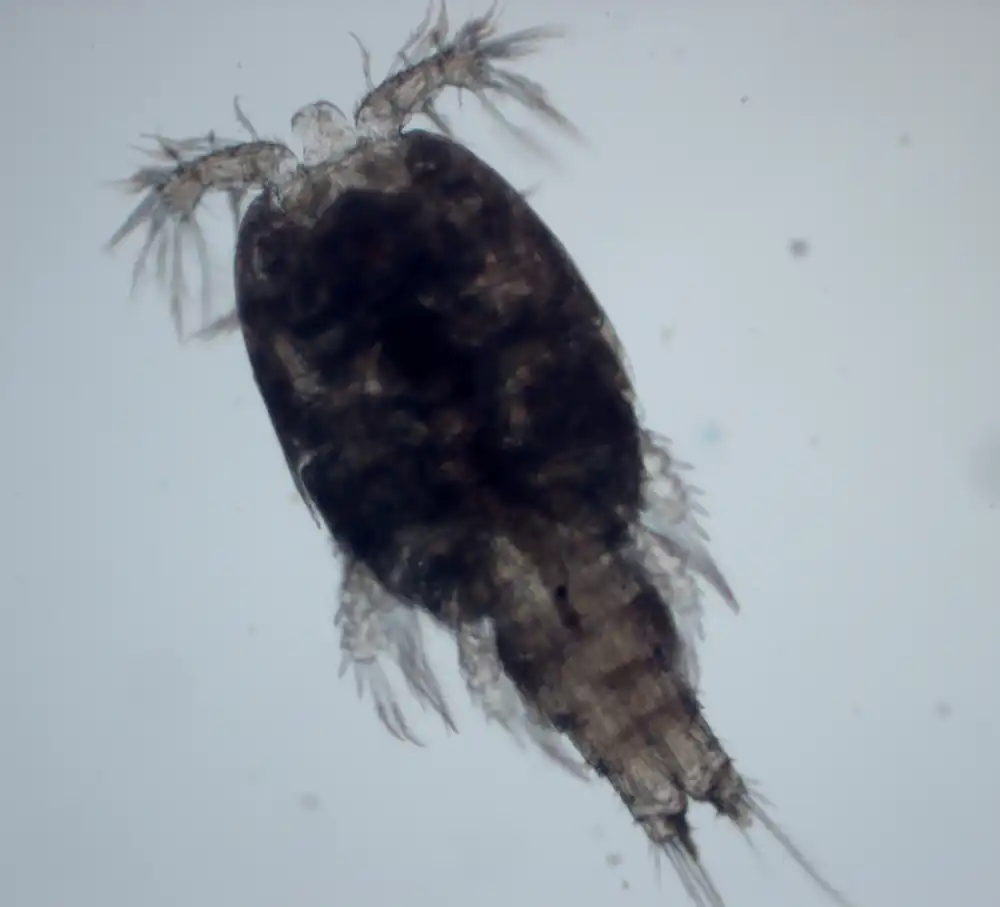
The tally comprises 20 copepod species, 22 echinoderms (sea cucumbers and crinoids), 14 cnidarians, including octocorals, sea pens and stony corals, and one scaphopod, or tusk-shell mollusc.
‘International cooperation in taxonomy is critical, especially in groups with few active specialists,’ said Dr Daniel Lauretta, principal investigator at CONICET.
‘The species discovery workshop accelerated species identification, the recognition of species new to science, and increased capacity building for local early-career taxonomists working on deep-sea fauna.’

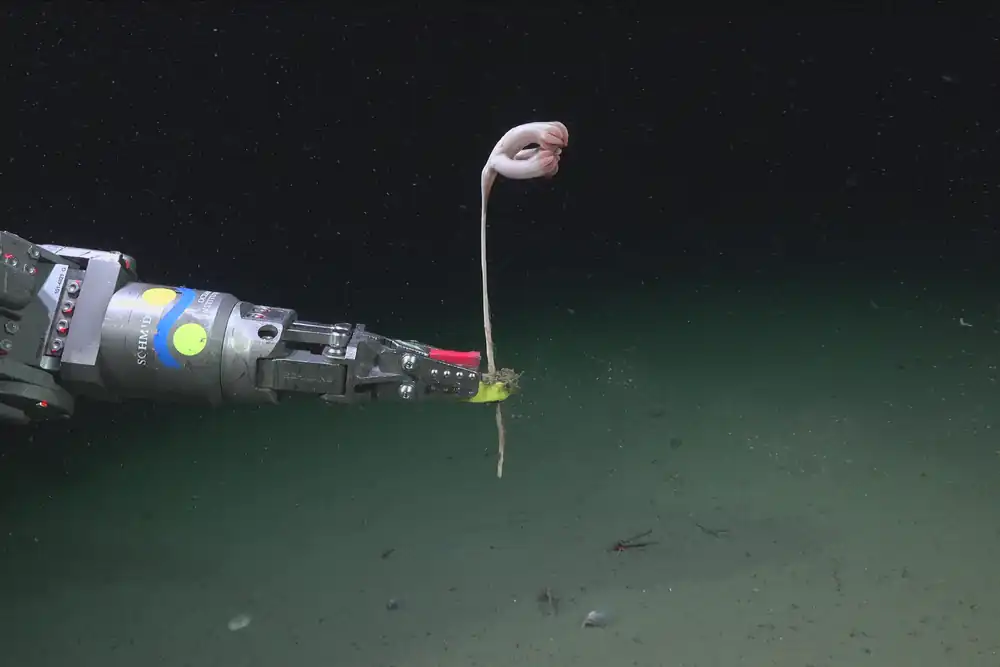
Among the most important finds was Peniagone sp., nicknamed ‘Loki the Sea Cucumber’ for its horn-like appendages resembling the Norse god.
Recorded at a depth of 2,577m in Mar del Plata Canyon, it is one of up to 10 new sea cucumber species identified during the workshop.
Taxonomists examined just 10 per cent of the collected copepod samples. According to Ocean Census, every specimen examined belonged to a species new to science, yielding 20 new species and one new genus.
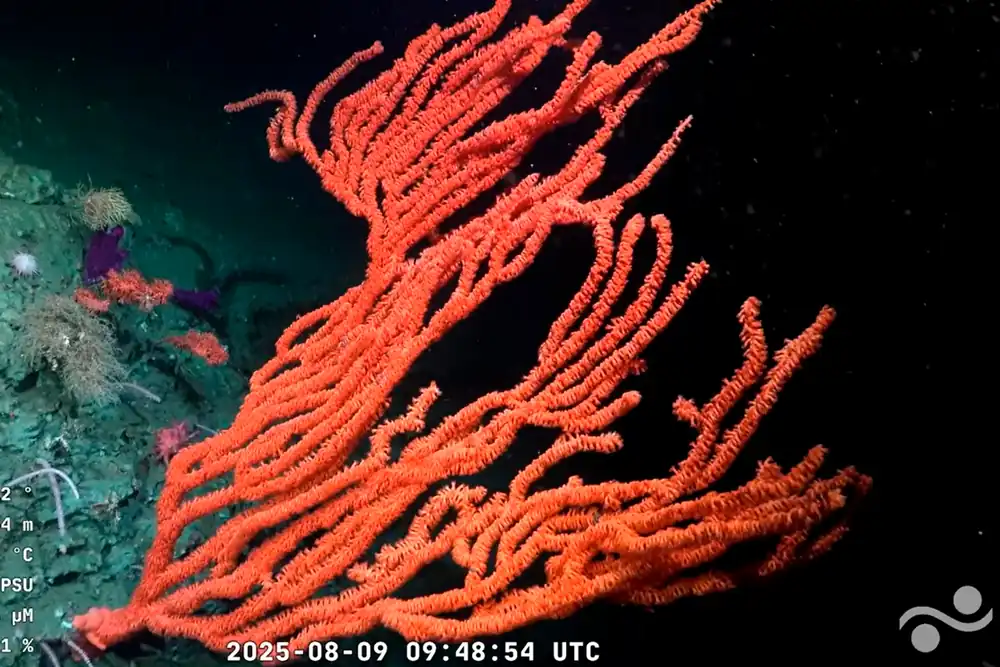
The coral discoveries include two potential new genera and a potential new family, which await genetic analysis. Featured specimens include the sea pen Pseudumbellula sp. and orange-red octocoral Orstomisis sp.
‘Discovering 57 new species and five new genera in just two weeks demonstrates the speed and power of collaborative taxonomy,’ said said Dr Michelle Taylor, Ocean Census head of science.
‘The deep sea holds some of the least understood ecosystems on Earth. By bringing Latin America’s scientific expertise and international experts together, as well as connecting them to the open-access Ocean Census NOVA platform, we are drastically accelerating our understanding of marine biodiversity.’
‘The Mar del Plata Canyon expedition captured the public’s imagination when we first live-streamed Argentina’s deep-sea, discovering potential new marine species,’ said Dr Jyotika Virmani, Schmidt Ocean Institute’s executive director.
‘These results show the power when world-class technology and expertise meets international scientific collaboration. By identifying new species, these scientists have advanced our understanding of South Atlantic marine life and, via Ocean Census, ensured that this data is accessible globally’.
Specimens processed during the workshop will be housed in Argentina’s national institutional collections, including Museo Argentino de Ciencias Naturales in Buenos Aires.
Species confirmed to be previously undescribed will be added to the open-access Ocean Census NOVA database.
Related articles
