


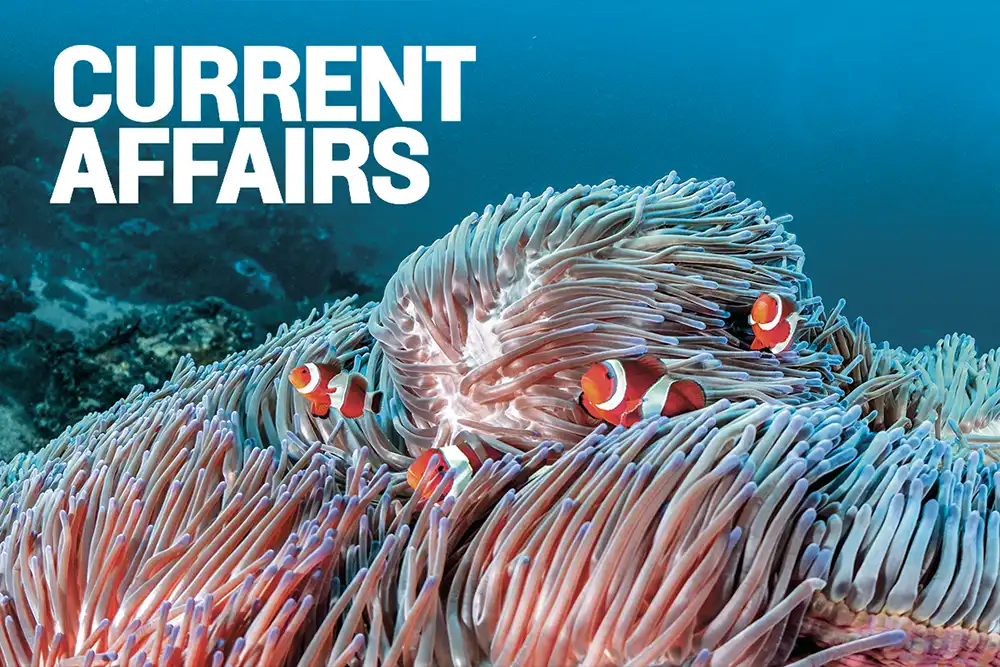
Not for the faint-hearted, diving in Komodo National Park is more of an expedition through raw ocean power than a simple dive trip, as Mark Hatter during a week on board the Komodo Aggressor
Words and pictures by Mark B Hatter
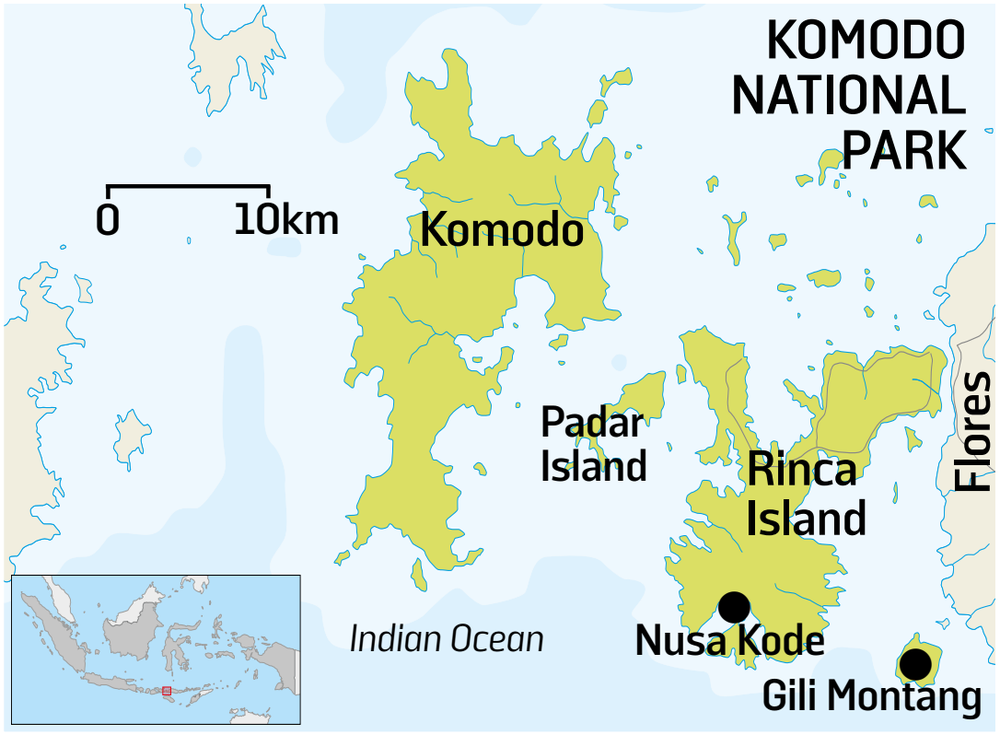
Dawn spills slowly across the Flores Sea, brushing the jagged ridge lines of Komodo and its sister islands, Padar and Rinca, in muted shades of gold and green as the Komodo Aggressor gently swings at anchor.
There are 26 smaller islands in the archipelago, their silhouettes rising from the water like the spines of some ancient creature, a fitting metaphor for a place surrounded by roiling currents, where giant prehistoric dragons still roam the land.
You don’t come to Komodo for easy diving. You come for something raw, something powerful, and something bountiful, in a remote corner of Indonesia that is, arguably, the most electrifying scuba diving destination on the planet.
Situated between the Indian and Pacific oceans, the islands of Komodo National Park, a UNESCO World Heritage Site, sit in a choke point through which titanic amounts of water are forced through narrow straits, creating a several-times-a-day, sumo-like pushing and pulling match, where the phase of the moon referees which will win the contest.
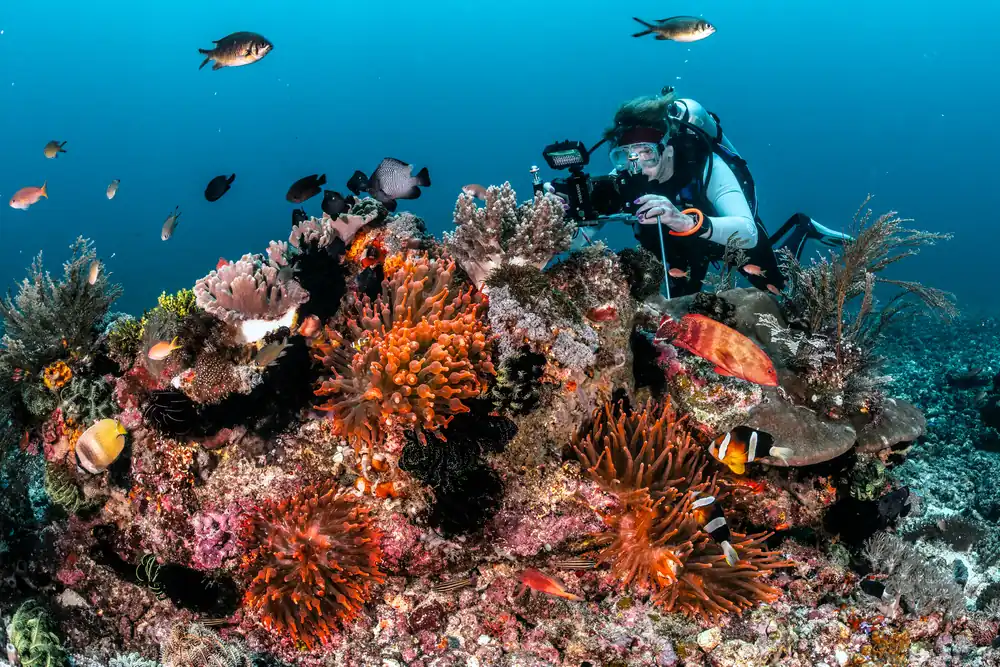
The powerful, nutrient-rich currents and plankton-filled upwellings fuel the explosion of life found on Komodo’s reefs. Pulsing with fish, corals and invertebrates, divers can find macro treasures and encounter iconic megafauna in one of the most biodiverse regions of the planet, at the heart of the Coral Triangle.
That richness, however, comes with a price. Komodo demands respect. Timing, tides and experience matter here – this is not a place for passive diving.
The adventure begins
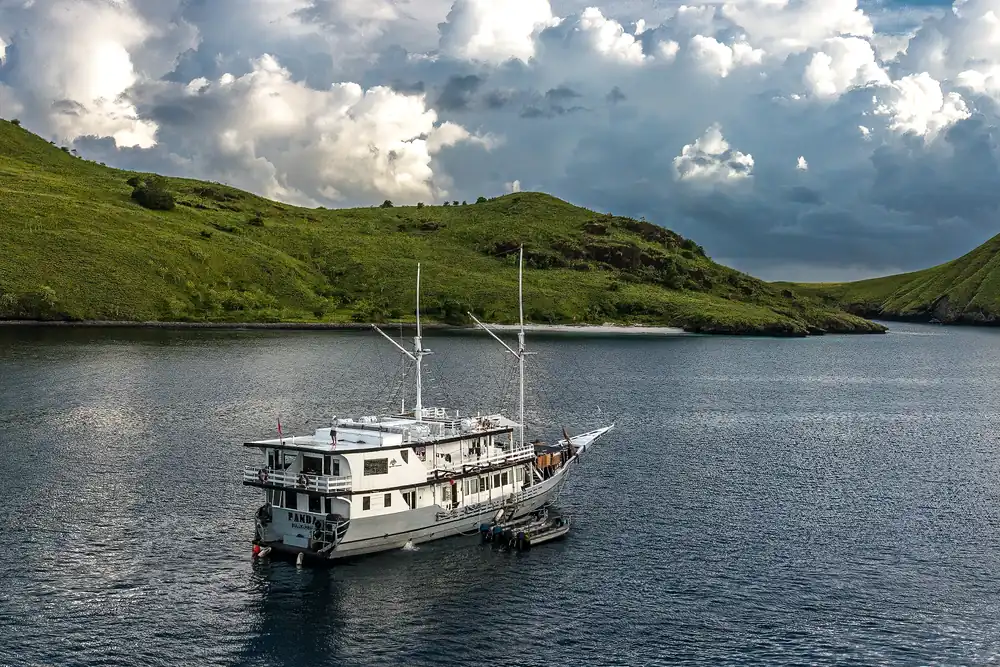
Life aboard the Komodo Aggressor follows the rhythm of the sea: dive, eat, sleep, repeat. Four dives a day, each one different, each one shaped by the tides.
Between dives, you can watch the islands slide by – parched savannah hills during the dry season, verdant after the rains, the towering peaks dropping into turquoise bays ringed by mangroves and pink beaches glowing under the sun. Sailing through the national park feels more like an expedition than a dive trip.
The feeling is reinforced by a permanent note of unpredictability in the dive briefings: ‘Strong current possible, which can change in an instant’; ‘reef hooks may be needed’; ‘mantas are likely’ – and in Komodo, ‘likely’ is often an understatement.
Our journey begins at Mawan, the gentler side of Komodo where diving is slower and more contemplative, yet always magical – a shallow, sloping reef swarming with gold-coloured anthias and slate-coloured damselfish, which gives way to a sandy floor. The reef is a manta feeding location along the slope and a cleaning station at the deeper terminus of the reef.
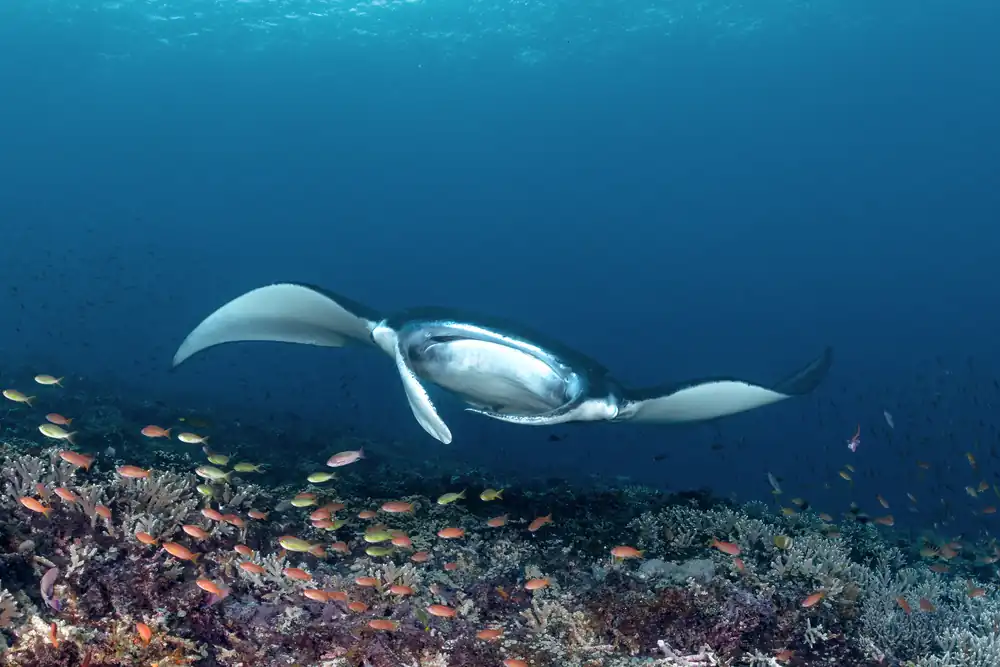
The mantas glide slowly by – often at less than arm’s length – a quiet interaction that invites patience as we ride the mild, quarter-moon current.
A few days later at Police Corner, near Siaba Besar, the dive is an entirely different experience – a heart-racing adrenaline rush compared to Mawan’s slow exhalation of breath. We slip into the water with a negative entry near the top of the reef and ride a brisk current down to the lip of a vertical wall at 20m (66ft).
The vertical surface is deeply undercut, forming shallow caverns and narrow channels, festooned with colourful feather stars and whip corals, that provide a temporary respite from the current.
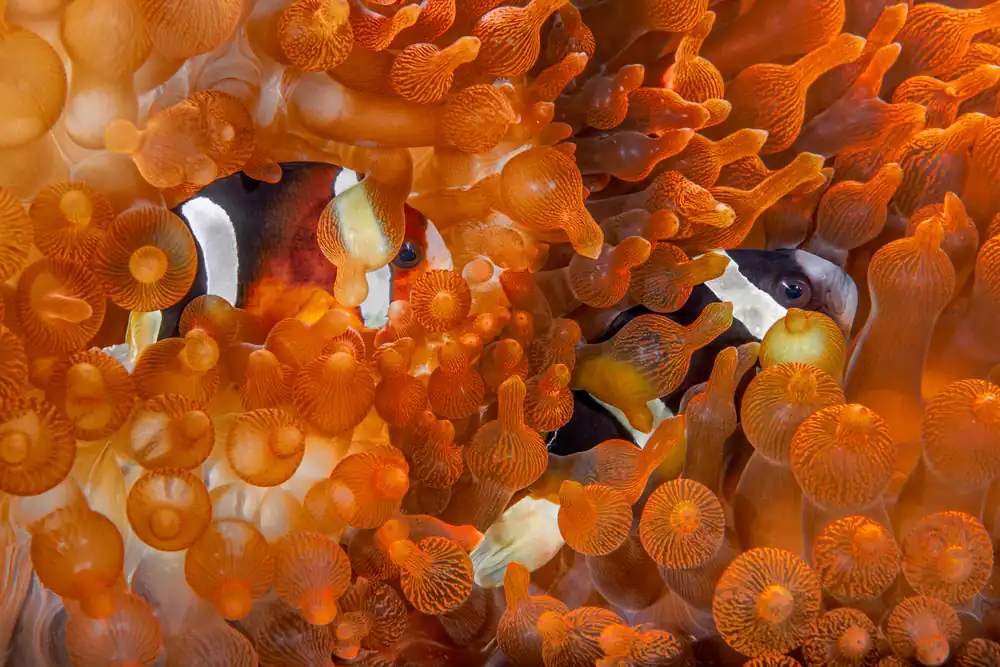
The reef is healthy, a smorgasbord of leather and stony corals interspersed with anemones replete with families of clownfish. I marvel at a breathtaking fluorescent-red Lobophyllia coral as I work my way to the safety stop.
In the evening, we moor in the protected bay of Mar Central, and there is no better way to come down from the adrenaline high than a nocturnal exploration of Komodo’s macro life.
We are briefed that nudibranchs, spider crabs, squat lobsters and seahorses ‘are likely’ and tonight, my luck is in.
My guide finds a wunderpus emerging from the sand, and I spot two seahorses before we surface and return to the mothership, where we are treated to a dinner of sirloin steaks, crème brûlée and a glass of wine.
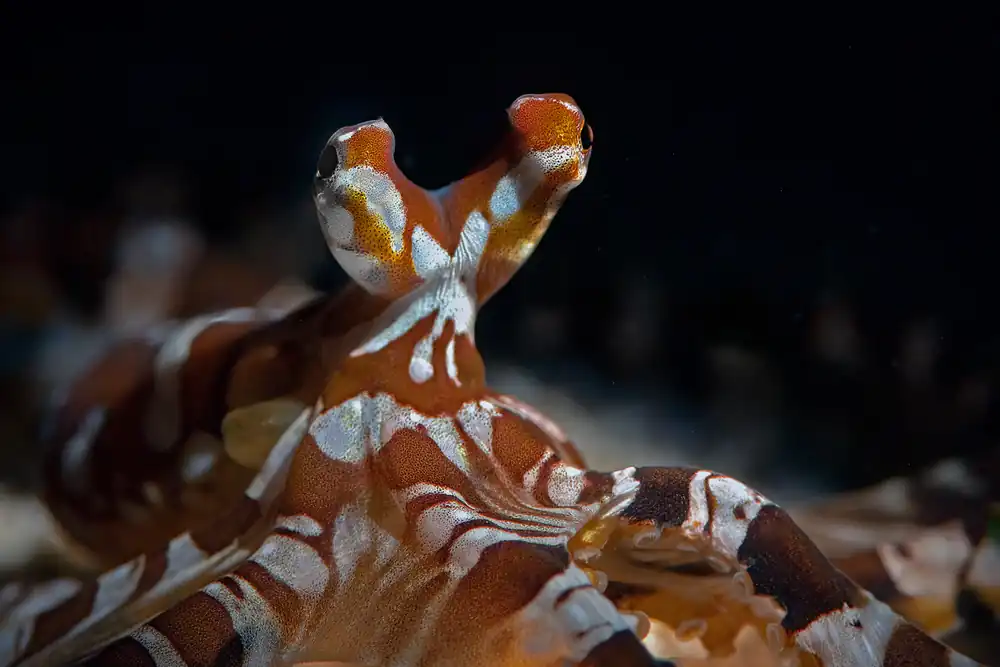
Touched by fire and dragons
The next day we sail south to Horseshoe Bay, inside the protective confines of Rinca Island. Rinca lies at the southernmost reach of Komodo National Park at the mouth of the Indian Ocean, which thereafter stretches unobstructed to Antarctica.
While Horseshoe Bay itself is always diveable, the mouth of the bay to the south side of the island is often inaccessible due to ultra-strong currents or oceanic swells – often both – but we have good fortune on our arrival. The sea is quiescent and the sky clear, perfect for diving Pelican Rock.
Descending in exceptional visibility, the dive site is a candy land of colours, from vibrant yellows and oranges to deep mahoganies and fire-engine reds, a riot of feather stars and barrel sponges.
If it weren’t for the laws of physics as they relate to gas consumption and absorption at depth, it would be easy to spend an entire afternoon hanging with the feather stars at Pelican Rock.
No trip to Komodo would be complete without meeting its most famous residents. Komodo dragons are the largest lizards on Earth, apex predators that grow up to 3m (10ft) in length, and are endemic to the islands of Komodo, Rinca, Nusa Kode and Gili Motang within the national park (and the island of Flores, just outside the park boundaries).
Aggressor has arranged a trek into the savannah of Komodo Island for a chance to see one, and our luck continues as our ranger finds several dragons in a clearing, thermal-loading their cold-blooded bodies in the morning sun. With movements slow but deliberate, watching these massive reptiles up close is like stepping back in time into an era where survival was primal and unforgiving.
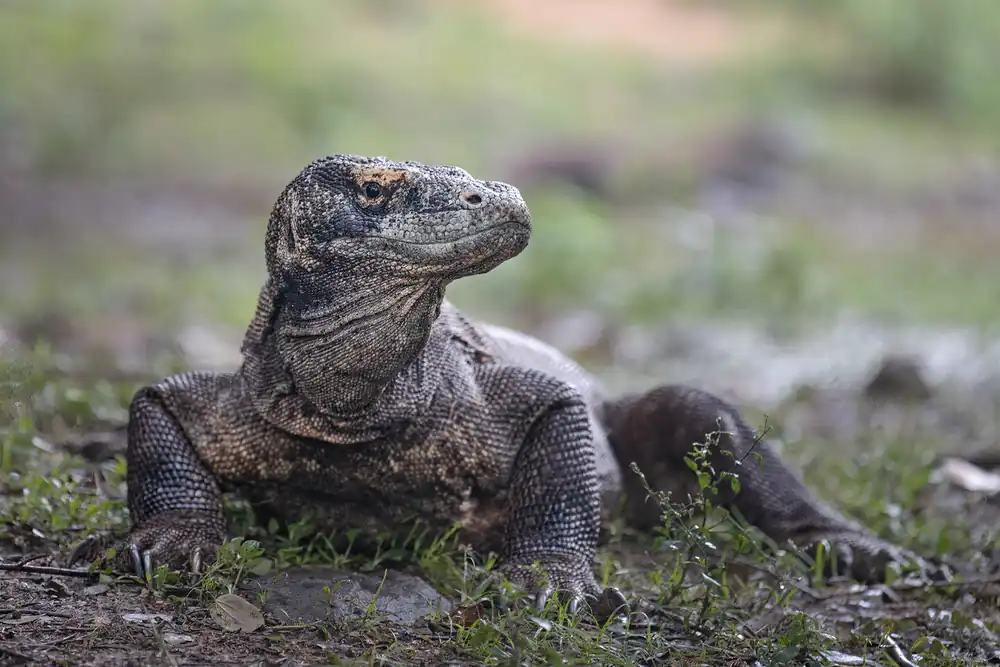
The lumbering land dragons are a stark contrast to the fluid grace of the aquatic mantas, yet somehow feel connected. Mantas are ubiquitous in Komodo, although never guaranteed on every dive. The plankton-delivering currents were fickle when we visited the famous site known as Manta Alley, where after two dives we saw just a pair of drive-by mantas simply passing through.
We motored instead to another famous manta hotspot, Taka Makassar, also known for its iconic pink-sand beach.
The visibility was excellent but the current mild, and we feel a sense of foreboding that this dive may be another manta miss as we glide over a vast underwater plain marked with the occasional coral pinnacle. The bommies are cleaning stations and we drift from one to another before scoring on bommie number four.
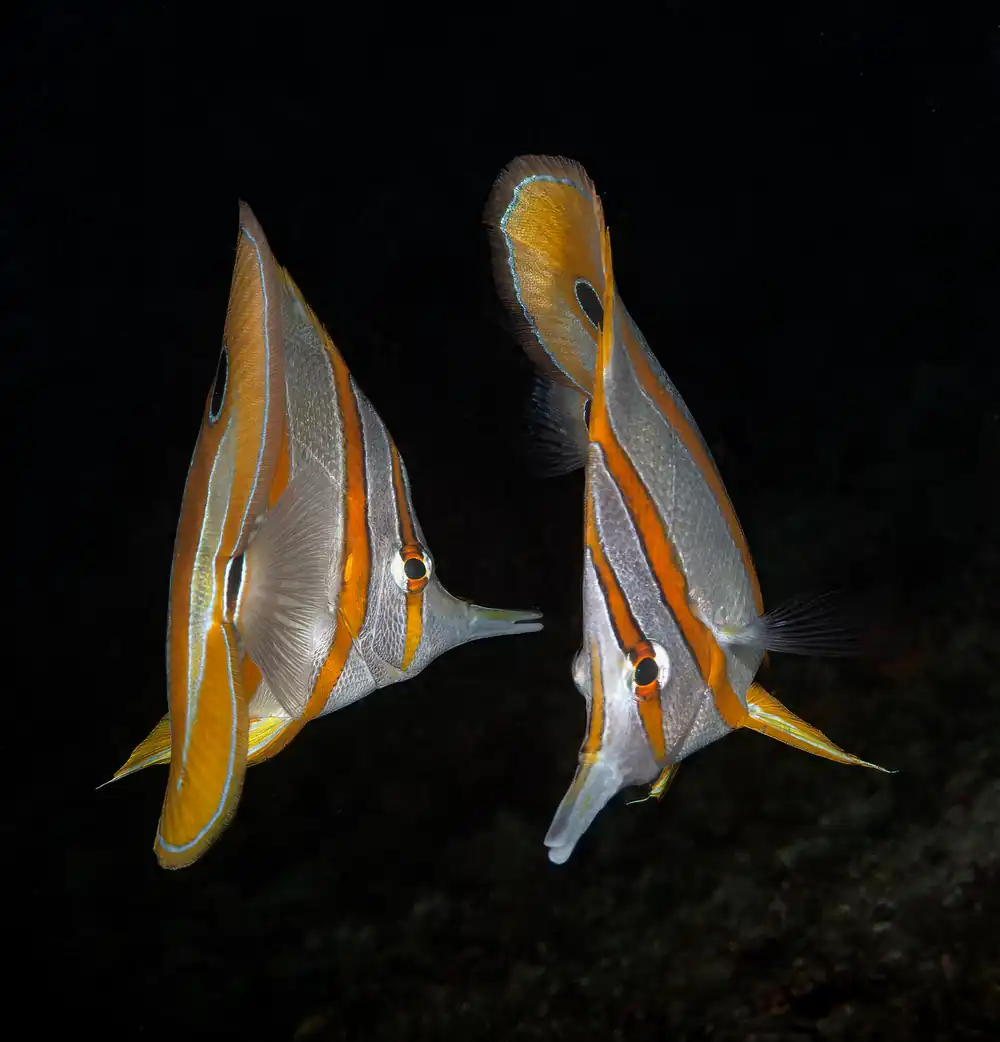
A pair of mantas are circling lazily as we carefully approach, but unlike any cleaning station I’ve encountered outside Socorro, the cleaning crew working on these mantas are dozens of Klein’s, or sunburst, butterflyfish.
A destination to be conquered
If Mawan is Komodo’s gentler side, Tatawa Kecil is its leading edge, and Aggressor has saved the best until last. We awake to find the boat seemingly parked under power, her bow to the racing current in Linta Strait. We are holding position next to Tatawa Kecil, a seamount famous for gnarly currents that roil and rip around the pinnacle in every direction at once.
Up-currents, down-currents, swirling eddies – Tatawa Kecil is the definition of chaos.
We make a quick negative entry on the approaching face of the pinnacle and descend quickly to 20m (66ft). The current pushes us forward and we brace for impact, but our guides have adroitly steered us to a section of the rock face where the current splits, forming a swirling eddy where we can make a soft landing.
After gathering ourselves and checking our camera kits, we ride the up-current to a stony coral-covered plateau at 10m (33ft) exploding with life. Thousands of the omnipresent gold-coloured anthias and slate-coloured damselfish flutter like so many little pendants high above the corals, feeding on plankton brought forth from the maelstrom of current.
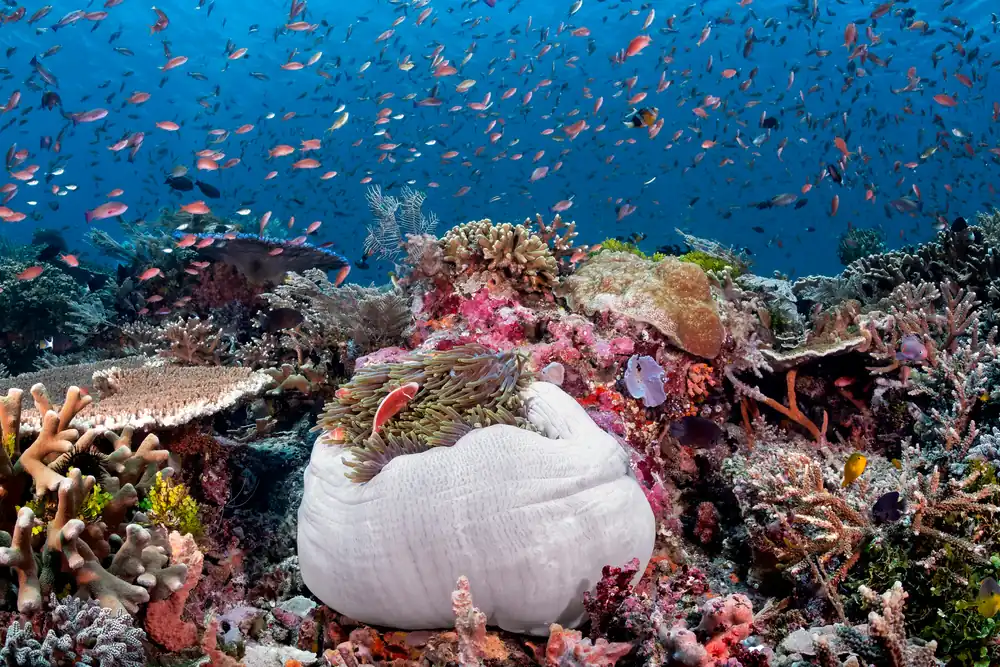
Sunbeams dance across the chaotic reefscape, making it hard to decide how to shoot this spectacular scene, but I find a sweet spot in the eddy where I can hover effortlessly above the plateau to search for the perfect shot. I find it in a large magnificent anemone with a white base, retracted onion-like between plating and branching corals.
Tatawa Kecil is exhilarating, humbling and unmistakably Komodo, and it makes me consider that a visit to Komodo is not merely a dive trip, it’s an expedition through a place that needs to be conquered.
It’s a mixture of the calm and the chaotic; a powerful and vibrant destination from where you carry home the memory of currents, mantas, dragons and a wildness that still exists just beyond the edge of the map – and that’s enough to bring you back.
For more information and bookings, visit www.aggressor.com
More great reads from our magazine
- Eight arms, six lamps and one perfect shot – mastering macro with Nur Tucker
- Bermuda Retriangulation – diving the shipwreck capital of the Atlantic
- Octopus Boom! The UK octopus bloom of 2025
- Hammerhead Heaven – on board the Cocos Island Aggressor
- Grouper Think – why Costa Brava is perfect for the CMAS photo World Cup

Take out a year’s print and digital subscription from £23.99
(UK price, international postage extra)
