


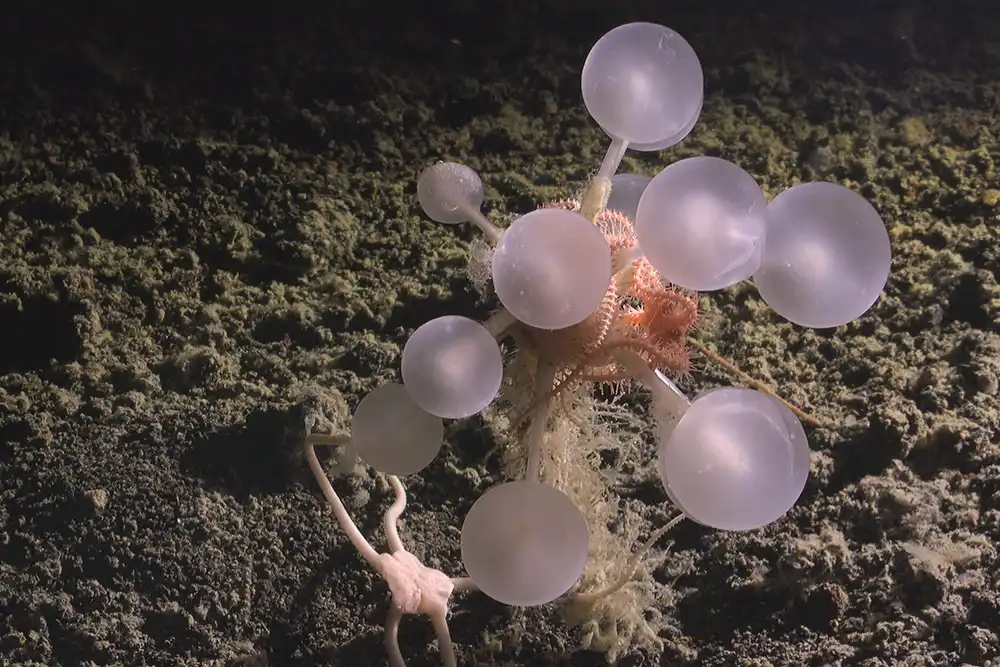
Thirty previously unknown deep-sea species – including a carnivorous ‘death-ball’ sponge – have been confirmed from one of the most remote regions of the planet during recent Southern Ocean expeditions conducted by the Schmidt Ocean Institute as part of the Nippon Foundation–Nekton Ocean Census.
The discoveries were verified during the Southern Ocean Species Discovery Workshop, held at Universidad de Magallanes in Punta Arenas, Chile, in August 2025.
Among the new finds is Chondrocladia sp. nov., a spherical predatory sponge covered in tiny hooks used to trap prey, in stark contrast to the gentle filter-feeding behaviour typical of most sponges. Other unusual organisms recorded included ‘zombie worms’ (Osedax sp.), which digest the bones of whales with the help of symbiotic bacteria.
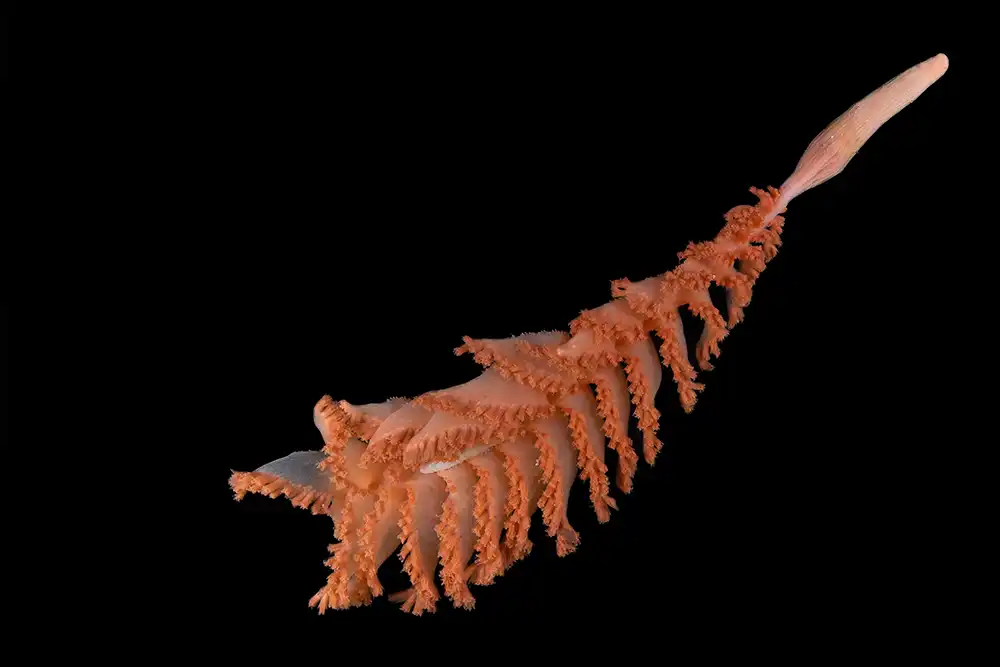
Expeditions aboard Schmidt Ocean Institute’s research vessel Falkor (too) surveyed volcanic calderas, the South Sandwich Trench and seafloor habitats around Montagu and Saunders Islands. Using the remotely operated vehicle SuBastian, scientists collected nearly 2,000 specimens across 14 animal groups, together with thousands of photographs and hours of video.
The research also revealed new hydrothermal vents at around 700 metres, coral gardens, signs of explosive undersea volcanism and what is believed to be the first confirmed footage of a juvenile colossal squid.
Three Ocean Census researchers also joined a separate cruise to the Bellingshausen Sea, where the team became the first to explore the seabed exposed after iceberg A-84 – roughly 510 sq km in size – broke away from the George VI Ice Shelf in January 2025.
‘The Southern Ocean remains profoundly under-sampled,’ said Dr Michelle Taylor, Head of Science at The Nippon Foundation–Nekton Ocean Census. ‘We’ve assessed less than 30 per cent of the samples from this expedition, so confirming 30 new species already shows how much biodiversity is still undocumented.’
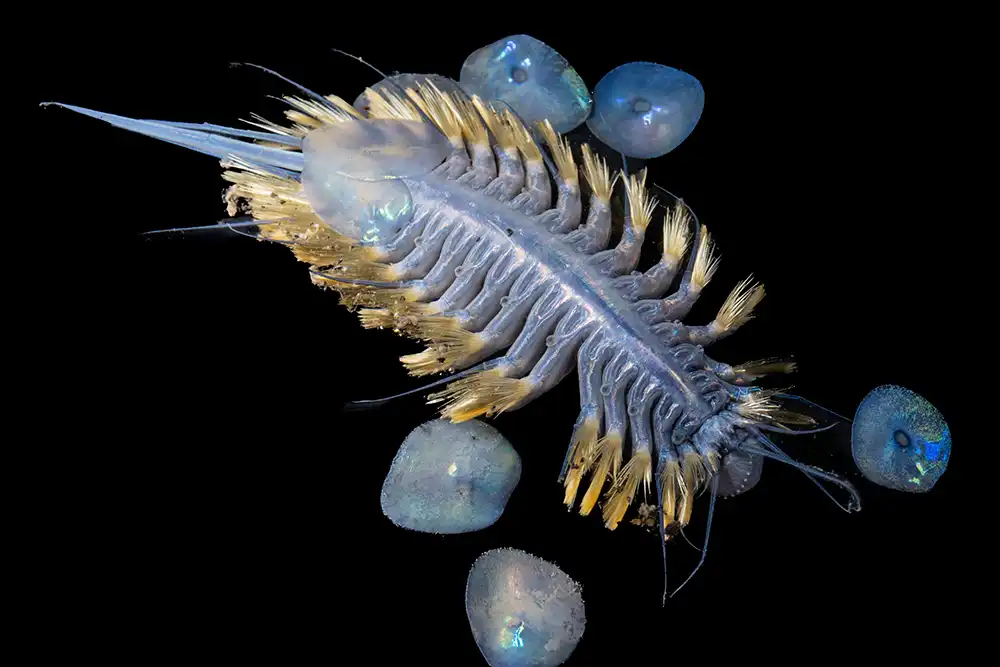
Other finds include new armoured and iridescent scale worms, sea stars from several families, crustaceans, gastropods, and bivalves adapted to volcanic and hydrothermal habitats. Further material is under review that may include a new amphipod family, black corals and a potential new genus of sea pen.
‘Advanced tools – from precise seafloor mapping to high-definition ROV imagery – are allowing us to explore places never seen before by humans,’ said Dr Jyotika Virmani, Executive Director of Schmidt Ocean Institute.
The Southern Ocean Species Discovery Workshop brought together taxonomists from around the world to verify specimens through imaging and DNA barcoding, fast-tracking a process that can often take years.
‘Each confirmed species is a building block for conservation and future research,’ added Dr Taylor. ‘This is exactly why Ocean Census exists – accelerating the discovery of ocean life and making it openly available.’
All verified records meeting Ocean Census criteria will be added to the open-access Ocean Census Biodiversity Data Platform.
Related articles
