


The Gold Coast is best known for beaches and surfing, but its reefs, wrecks, waterways and an artificial dive site show off its alternative ocean side
Located just south of Brisbane, Queensland, Australia’s Gold Coast is best known for its long beaches and surf culture, but just beyond the breaks it has a side that is often overlooked.
While the southern end of the Great Barrier Reef lies some 370km to the north, the coral reefs do not end with it. There is plenty of great diving to be had, several wrecks to explore and the chance to meet some larger pelagic visitors.
Away from scuba diving but still on the water, the Gold Coast is home to more than 260km of navigable waterways – creeks, rivers, estuaries and canals that turn paddleboarding into an adventure rather than an activity.
Wonder Reef

At the centre of Gold Coast scuba diving is Wonder Reef, a purpose-built floating reef 2.5km offshore from Philip Park, The Spit. Reached by boat in around 10 minutes, it is the world’s first and only buoyant reef, made up of nine underwater sculptures that rise almost 22 metres above the seabed and move with the surge like giant kelp.
For divers, the result is less like a conventional artificial reef and more like an underwater sculpture park that is slowly being claimed by the sea. Depths range from about 8 metres to 30m, meaning there’s plenty for divers of all certification levels to enjoy, and a great place for courses.
In the four years since its installation, more than 100 marine species have been recorded there, including groupers, wobbegongs, octopus and trevally, with leopard sharks, turtles, eagle rays and occasional seahorses among the seasonal visitors.
For more information visit wonderreef.com.au
The Gold Coast dive trail
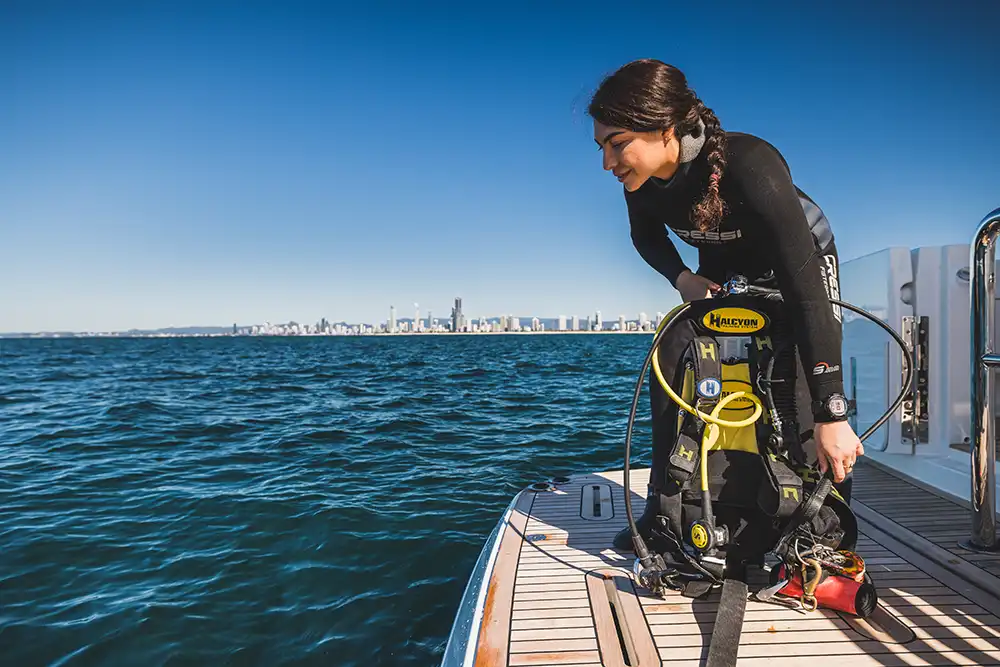
Wonder Reef may be something of a headline act, but it is by no means the whole show. The broader Gold Coast dive trail comprises a series of sites that offer a great deal of variability for divers to enjoy.
Wave Break Island: located inside the Gold Coast Seaway, Wave Break Island is one of the easiest places to start. Its sheltered water makes it popular with new divers, snorkellers and underwater photographers, with plenty of fish gathering around the rock walls and sandy channels. It is an easy dive site close to shore, the sort of place that reminds you that good diving does not always require epic boat rides to get you there
Kirra Reef: towards the southern end of the coast, alongside one of Australia’s best-known surfing spots, Kirra Reef is made up of rocky outcrops and coral-covered bommies and open water movement. On a good day, it can deliver clear water, busy fish life, turtles and rays, with enough structure to reward slow, curious diving.
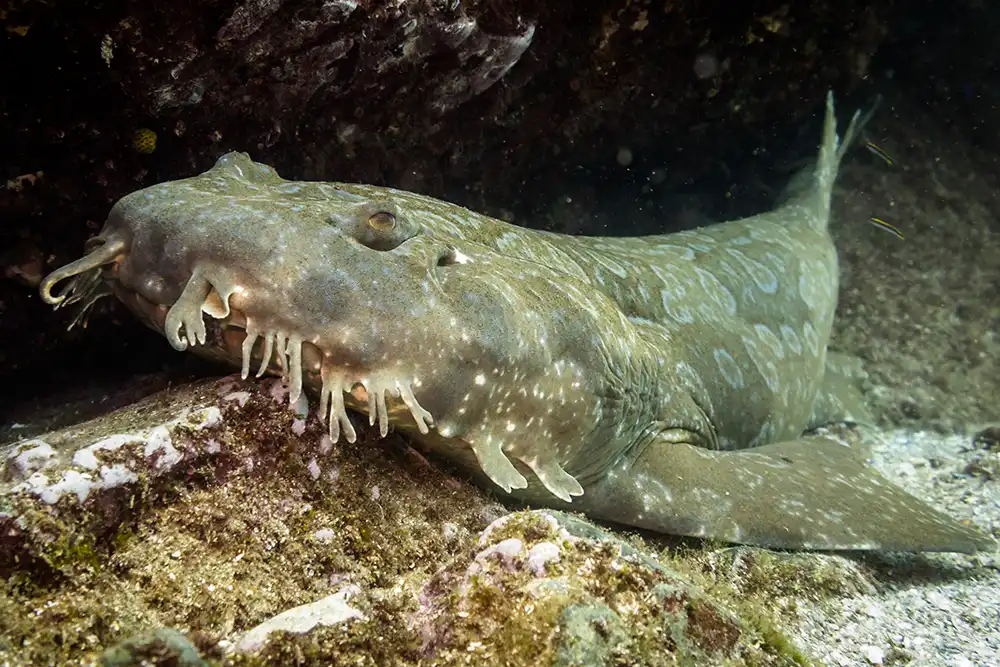
Cook Island: just off the southern Gold Coast near Coolangatta, Cook Island is a marine reserve best known for its turtles. Green, hawksbill and loggerhead turtles are regularly encountered around the island’s rocky reefs, accompanied by a variety of rays, eels, octopus, and an abundance of tropical and subtropical fish, making it one of the Gold Coast’s favourite dive spots
Scottish Prince: a three-masted iron barque built in Scotland in 1867, Scottish Prince ran aground off Southport in 1887, carrying a cargo of sugar from Mauritius to Brisbane. The wreck has broken up over time and become part of the reef, coated in soft corals and sponges, and a shelter for crayfish, reef fish and everybody’s favourite carpet shark, the wobbegong.
Stand-up paddleboarding
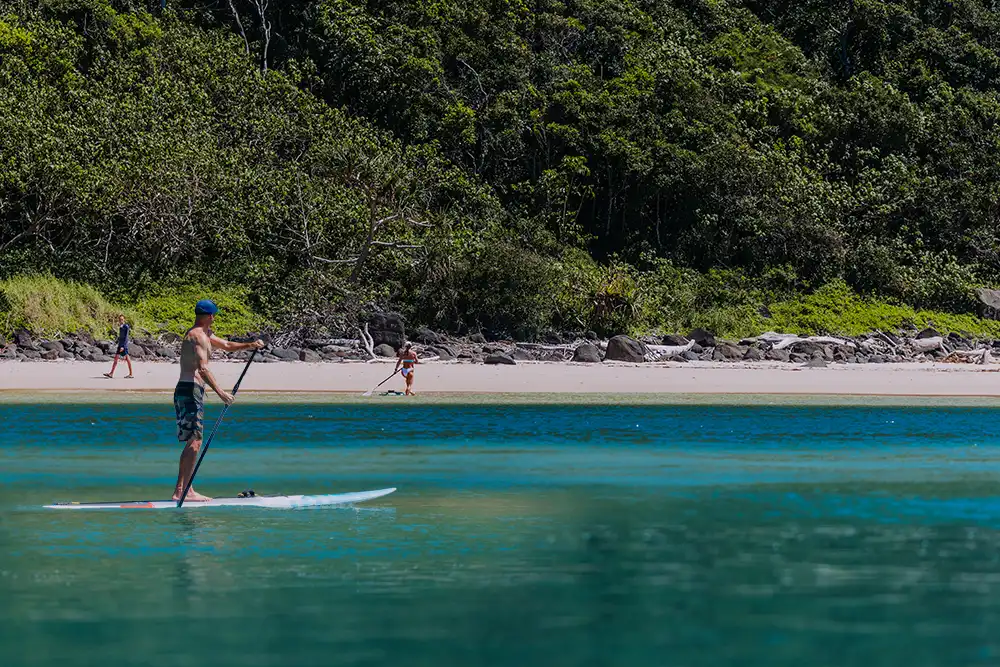
Not every Gold Coast water-based experience needs tanks and weights. The city’s inland waterways offer a wealth of opportunities for exploration, and stand-up paddleboarding is one of the best ways to enjoy them.
Budds Beach, close to Surfers Paradise, is a great place to begin, with protected waterways and city views making it ideal place for beginners and families, but with plenty to offer those looking for a bit more adventure.
Tallebudgera Creek is a more scenic route, with turquoise water running between the sandy banks of Burleigh Head National Park offers a new perspective on the Gold Coast, and nobody should finish their paddleboarding adventures without paddling through Currumbin Creek and The Alley, two calm waterways widely regarded as two of the Gold Coast’s most picturesque spots, especially early in the morning before the day gets started.
Don’t forget the beaches

While opportunities to explore beyond them are sometimes overlooked, the Gold Coast’s beaches remain central to its. The city has 52km of beaches, 28km of which are patrolled all year round and a total of 42 during peak season and school holidays.
The coastline between Burleigh Point and Snapper Rocks, was declared a World Surfing Reserve in 2015, a recognition of just how good the local wave action really is, and the deep connection between the city and surfing.
While it can be a little overwhelming watching experienced surfers in action, everybody has to start somewhere and there are plenty of schools to help.
An all-round ocean destination

Surfing, diving, snorkelling, paddleboarding – Gold Coast is a fantastic all-round destination for water-lovers. You don’t have to choose exclusively between one of the other, and you can enjoy different versions of the ocean during a visit – or even on a single day.
Start with an invigorating early morning paddle through a quiet creek, head out diving or snorkelling, and end the day with a walk along one of Australia’s best-known beaches.
For divers looking beyond the surf line and beaches, the Gold Coast has reefs, wrecks and one of the most unusual artificial dive sites in the world. It is still unmistakably the Gold Coast – bright, accessible, easygoing – but underwater it is far more interesting than many might first have thought.
For more information visit wonderreef.com.au
